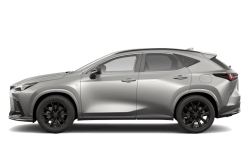
Which 2026 Lexus NX Powertrain Fits a Long Daily Commute?
September 21 2026,
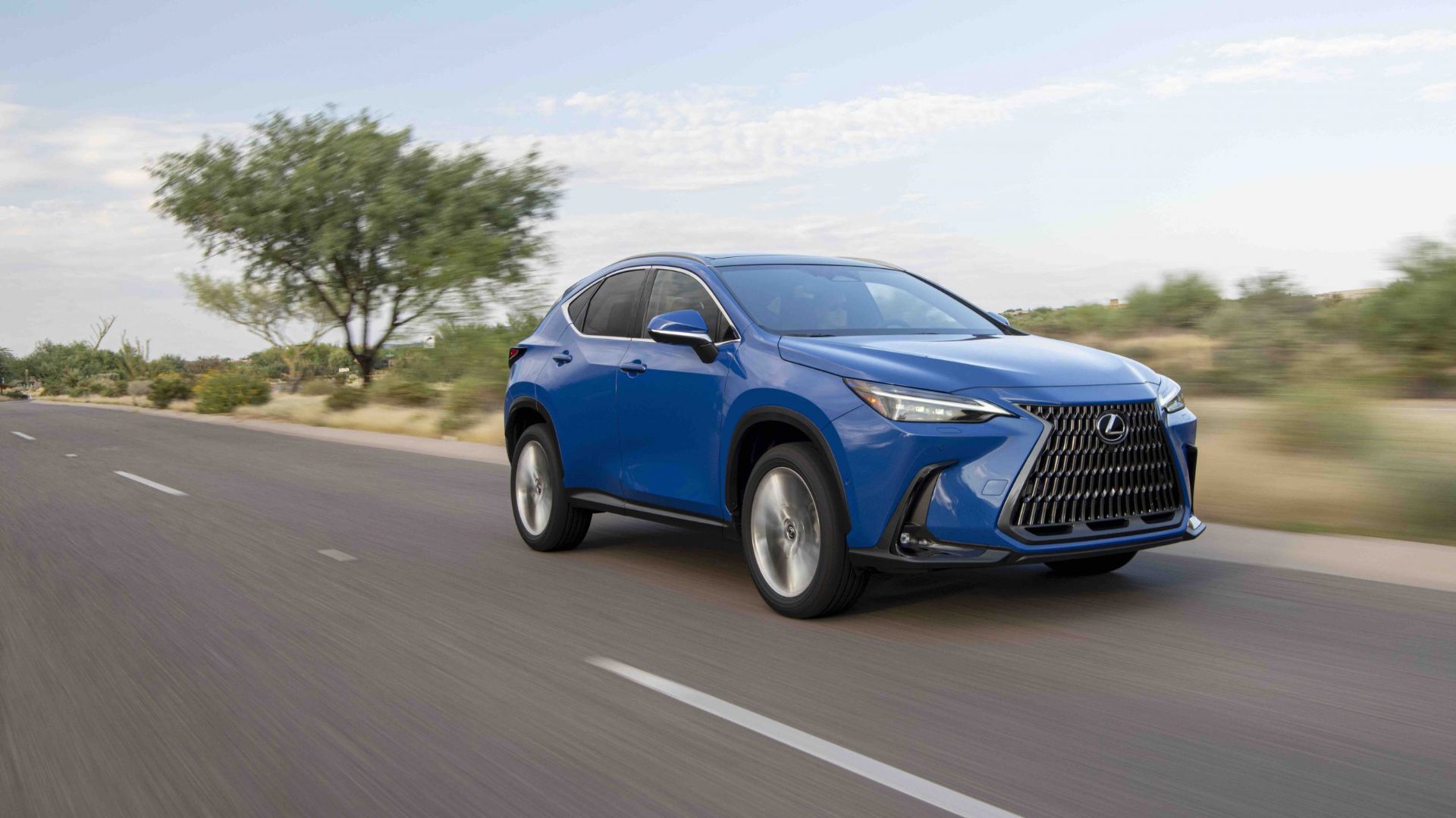
A long Ontario commute usually breaks down into a few repeatable questions: how much of the drive is highway, how much is stop-and-go, and how often you’re willing to plan around a fuel stop or a charge. The 2026 Lexus NX lineup answers those questions with three distinct powertrains built on the same compact SUV.
The NX 350, NX 350h, and NX 450h+ share the same AWD platform and cabin, but they solve the fuel-and-charging equation in three different ways. Here’s how each one lines up against a real daily drive.
Comparing the 2026 NX 350, NX 350h, and NX 450h+
|
Spec |
NX 350 |
NX 350h |
NX 450h+ |
|
Powertrain |
2.4 L turbocharged 4-cyl, 275 hp, 317 lb-ft |
2.5 L hybrid 4-cyl, 240 hp |
2.5 L plug-in hybrid 4-cyl, 304 hp |
|
Combined fuel economy |
9.8 L/100km |
6.0 L/100km |
6.6 L/100km |
|
Drivetrain |
AWD |
AWD |
AWD |
|
Ground clearance |
206 mm |
196 mm |
205 mm |
|
Cargo (behind rear seats / seats folded) |
643 L / 1,328 L |
643 L / 1,328 L |
643 L / 1,328 L |
|
Fuel tank capacity |
57 L |
55 L |
55 L |
|
Towing capacity |
2,006 lbs (910 kg) |
2,000 lbs (907 kg) |
2,000 lbs (907 kg) |
|
Payload |
1,345 lbs (610 kg) |
1,279 lbs (580 kg) |
1,213 lbs (550 kg) |
Fuel Stops, Charging, and Daily Range
The NX 350 runs on its 2.4 L turbocharged engine alone, no plugging in required. It posts a combined 9.8 L/100km and carries a 57 L tank, the largest in the lineup, which suits a commuter who covers a lot of highway distance and would rather refuel on a normal schedule than plan around a charger.
The NX 350h pairs a 2.5 L engine with an electronic continuously variable transmission for 240 system horsepower and a combined 6.0 L/100km, the best fuel economy of the three without any plug-in habit to manage. That makes it a fit for a commute that mixes city traffic with highway stretches, where lower fuel use matters but home charging isn’t part of the routine.
The NX 450h+ adds an 18.1 kWh battery and a 6.6 kW onboard charger to its 2.5 L plug-in hybrid system, producing 304 system horsepower. Lexus rates its electric range at 60 km, enough for a round trip well inside a typical daily commute on electric power alone. Once that range is used, the NX 450h+ switches to hybrid operation and returns a combined 6.6 L/100km for longer days, so a driver with predictable charging access at home or work gets electric-first trips most days and a gas-hybrid backup for the rest.
Cabin, Cargo, and Everyday Usability
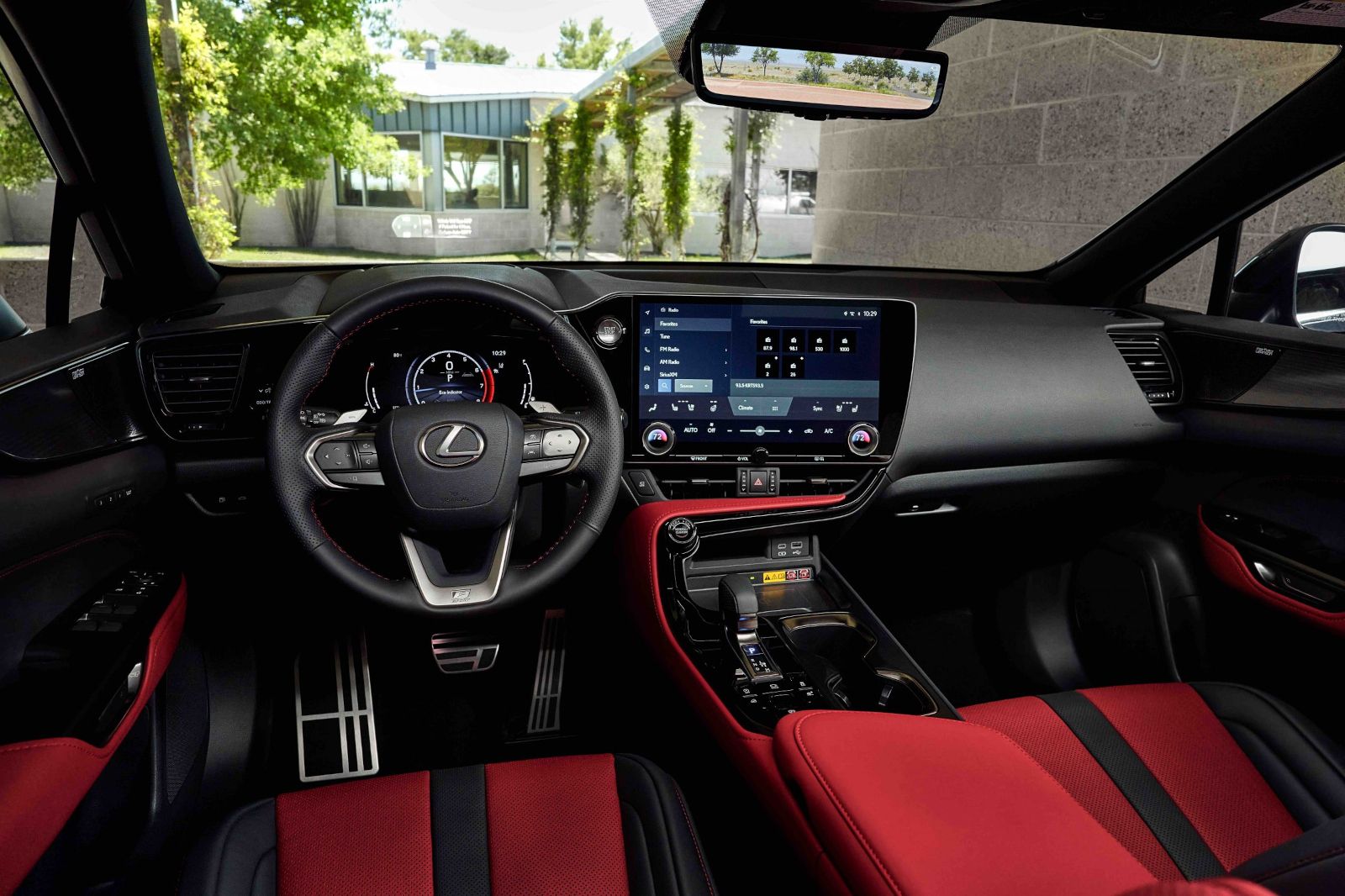
All three powertrains share the same cargo capacity: 643 L behind the rear seats and 1,328 L with them folded, enough for a commuter’s daily gear, a full grocery run, or a weekend load without swapping vehicles. Seating holds steady at five across the lineup, with 942 mm of front headroom and 1,042 mm of front legroom.
Every 2026 NX runs Lexus Interface with a voice-first virtual assistant, Apple CarPlay and Android Auto compatibility, and Lexus Safety System+ 3.0, which bundles the Blind Spot Monitor with Rear Cross Traffic Alert as standard equipment. The Premium grade opens with a 9.8-inch touchscreen and 10 speakers; higher grades step up to a 14-inch display, and the range tops out with a 17-speaker Mark Levinson Premium Audio system.
For a commuter spending an hour or more a day in the cabin, that display size and audio setup change how the drive actually feels, not just how the spec sheet reads.
AWD, Ground Clearance, and Load Capacity
All-wheel drive comes standard on every 2026 NX powertrain, so traction through changing road conditions isn’t an upgrade decision anyone has to make. Ground clearance varies slightly by powertrain: 206 mm on the NX 350, 196 mm on the NX 350h, and 205 mm on the NX 450h+, a byproduct of where each system packages its hardware.
Towing and payload numbers stay close across the lineup. The NX 350 leads slightly at 2,006 lbs (910 kg) of towing and 1,345 lbs (610 kg) of payload, while the NX 350h and NX 450h+ both hold 2,000 lbs (907 kg) of towing capacity, with payload settling at 1,279 lbs (580 kg) and 1,213 lbs (550 kg) respectively.
None of the three is built for heavy trailer duty, but all three carry enough payload for a loaded commute, work gear, or a family’s weekend bags.
Which 2026 NX Powertrain Fits Your Commute?
The choice comes down to how the drive actually breaks down, not which powertrain sounds most advanced. If most of your commute is highway distance with a predictable fuel stop along the way, the NX 350’s turbocharged engine and larger 57 L tank keep refuelling simple and skip any charging routine.
If the drive mixes city traffic with highway stretches and you want lower fuel use without adopting a plug-in habit, the NX 350h’s 6.0 L/100km combined rating covers that mixed routine while staying just as straightforward to refuel as the NX 350.
If you have consistent charging access at home or work and your daily round trip fits inside 60 km, the NX 450h+ turns most days into electric driving, with the 2.5 L hybrid system covering the occasional longer trip. The real decision factor isn’t horsepower or trim level, it’s how often the vehicle will actually see a charger versus a fuel pump.
Test Driving the 2026 Lexus NX Lineup
The 2026 NX 350, NX 350h, and NX 450h+ give Ontario commuters three ways to handle the same daily drive, from straightforward gas refuelling to a plug-in routine that covers most trips on electric power alone.
Visit Lexus of Lakeridge in Ajax to test drive the NX 350, NX 350h, and NX 450h+, and talk through which powertrain matches your actual commute before you decide.