Lexus, electrified.

Lexus has made electric, luxury. Available in both hybrid, and fully electric models.

If you're looking to merge luxury with sustainability, look no further. Lexus as a brand offers the widest range of luxury Hybrid Electric vehicles in Canada. From sedans, to SUVs, we have you covered. 

The rear view of a red sedan parked on the side of a rural road, with green hills in the distance.

Contact us for additional details

Don't worry! We'll never share or sell your personal information.Privacy Policy
A red sedan is parked on a mountain road, with a large rocky cliff in the background.

Available Electrified Vehicles

HEV (Hybrid Electric Vehicles) 

If you don't want to think about charging, but like idea of an electrified vehicle, then a HEV might be for you. Lexus Self-Charging Hybrid Electrics combine the power of a gas engine with electric motors. Hybrid vehicles recharge their batteries as you drive, which means you never need to plug them in. This is ideal for those with the "get in and go" mentality.

PHEV (Plug-In Hybrid Electric Vehicles)

Similar to our HEV models, our PHEV models combine a gas engine with a powerful electric motor, but with the added ability to plug in for an extended electric-only range. Still suitable for the "get in and go" mentality.

BEV (Battery Electric Vehicles)

Unlike the HEV & PHEV models, the BEV models are only powered by an electric motor, meaning there is no gas engine, but alternatively, they also emit zero emissions. BEV vehicles need to be plugged in to charge, or can recharge using regenerative braking while driving.


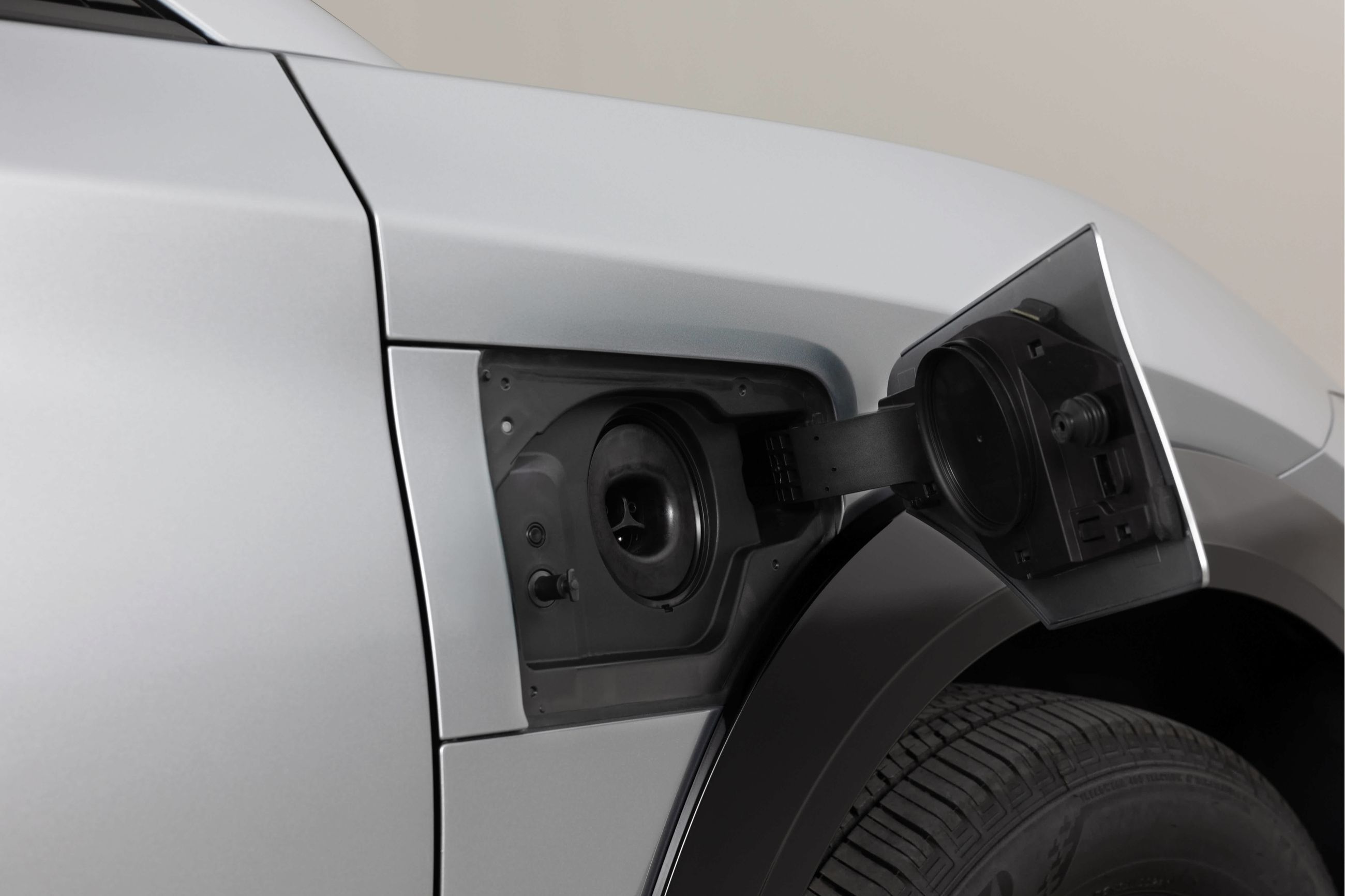
Any of our plug-in models can be charged at home using Level 1 or Level 2 chargers, or in public using Level 2 or Level 3 chargers with the correct capabilities for fast, on-the-go charging. 
View from inside a car's driver's seat while driving through a tunnel at night, showing light trails.

Charging Variations: How can you charge your Lexus electrified vehicle?

When you charge your car, you are returning energy to the battery of your electrified vehicle. There are a couple of different ways to this: regenerative braking and plug-in charging.

Regenerative Braking

Takes kinetic energy involved in slowing down the vehicle, and converts it into electricity to top up your battery, helping to prolong battery range.

Plug-In Charging

Happens when the EV is connected to an external power source to transfer energy back to the battery.

Aerial view of three cars on a winding road, demonstrating active safety and distance sensors.

What is the Difference Between Level 1, 2, and 3 Charging?

Level 1: Standard 120-Volt Outlet - Typical At-Home Charging

Level 1 charging is most simple of the three options, but does charge on the slower side. The perk of the Level 1 charger, is it draws power from standard wall outlets in your home or garage.  All Lexus BEVs from 2026 forward include a dual-voltage charging cable to facilitate Level 1 charging. 

Level 2: A Faster Charge 240-Volt Outlet - At Home-Charge & Public Charge

Level 2 is similar to Level 1, but with twice the voltage and increased amperage, meaning your vehicle will charge at a much faster rate. If you are looking to use a Level 2 charger at home, you will be required to install a Level 2 charger into higher voltage electrical outlets (similar to those you would use for large appliances).  In public, Level 2 is widely available at public stations. The dual-voltage cable can also be used for Level 2 charging.

Level 3: The Fastest Charge 480-Volt  DCFC - Public Only Charge

 DCFC (Direct Current Fast Charging) provides higher voltage in the form of DC power. Level 3 charging requires the use of specialized equipment and manufacturer-specific plugs, which are not available in residential homes. Charging time will vary widely depending on weather conditions and other factors

.

A smiling man sits in the driver's seat of a modern car, looking at his smartphone.

How Do you Service a Lexus Electrified Vehicle?

The service schedule stays the same, it's just what we do during the actual services that changes!

The  first four years of the maintenance schedule is as follows:

1,600km - Personalization, Service Connect Verification, Inspection Service (Complimentary)

8,000km - e-Maintenance #1 (Complimentary)

16,000km - e-Maintenance #1, Replace Cabin Air Filter

24,000km - e-Maintenance #1

32,000km - e-Maintenace #3, Perform a 12-volt Battery Health Check, Check Heater & Traction Battery Coolants for Leaks, Replace Cabin Air Filter

40,000km - e-Maintenance #1

48,000km - e-Maintenance #2, Check eTransaxle Fluid for Leaks, Brake Fluid Replacement, Replace Cabin Air Filter

Click here to see the complete maintenance schedule for any of our vehicles!