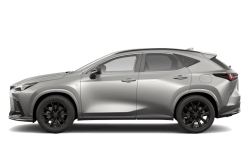
Same Hybrid DNA, Different Footprints: Choosing Between the 2026 Lexus UX 300h and NX 350h
April 28 2026,
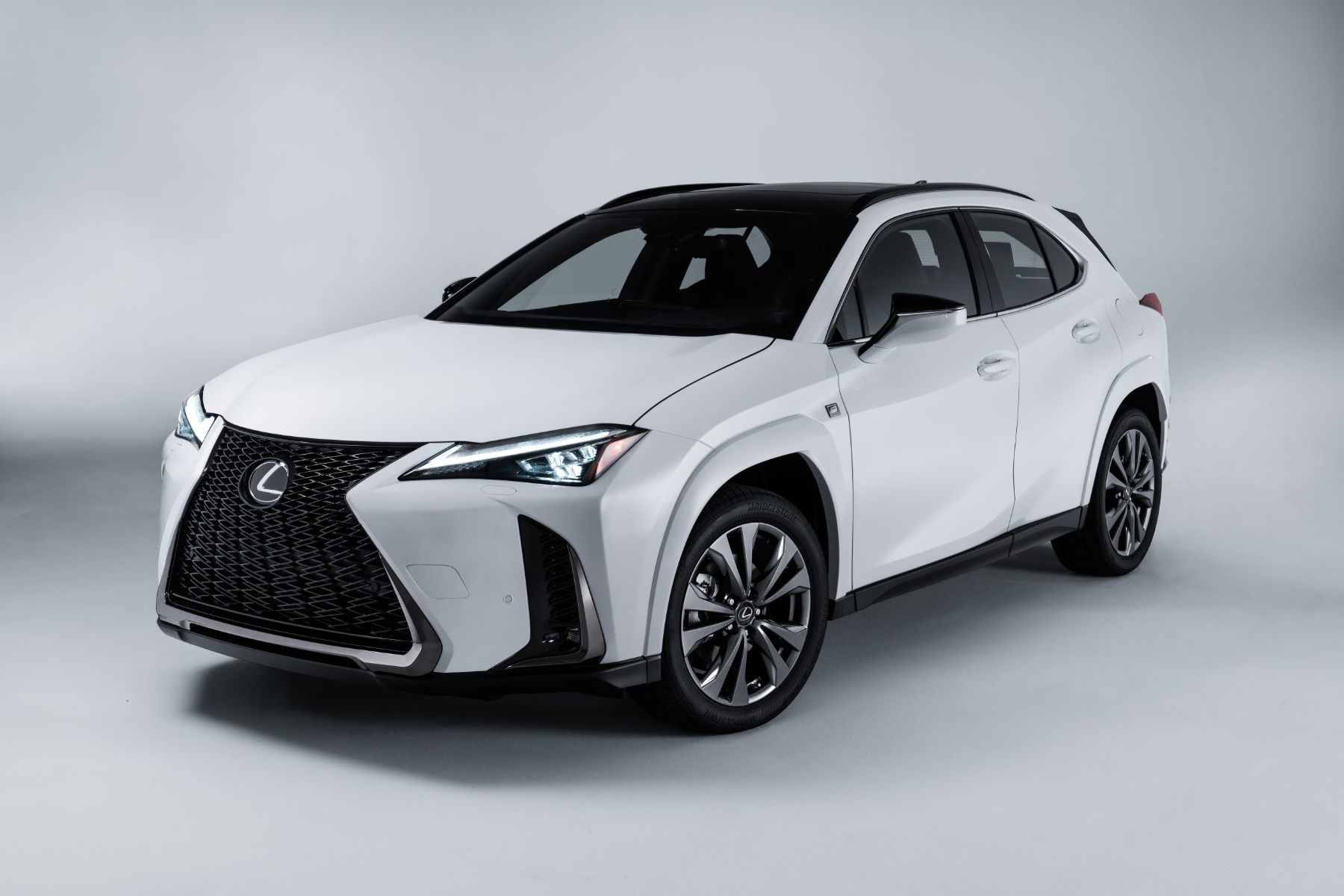
Both the 2026 Lexus NX 350h and UX 300h are fully electrified crossovers built for everyday driving — but they serve meaningfully different buyers. One prioritizes compact agility and urban economy; the other adds passenger room, cargo space, and a more substantial driving presence. If you've been weighing these two models, the decision often comes down to how and where you actually drive, and whether the step up in size is worth it for your day-to-day in Ontario.
Drivers in Ajax and the Durham Region often deal with a mix of tight parking structures, congested Highway 401 stretches, and weekend runs up to cottage country. That range of conditions makes the crossover segment particularly relevant here — and it's why understanding what separates these two Lexus hybrids matters before you walk into a dealership. Here's what the numbers and features actually say.
At a Glance: NX 350h vs. UX 300h
|
Specification |
2026 Lexus UX 300h |
2026 Lexus NX 350h |
|---|---|---|
|
Engine |
2.0 L 4-cylinder hybrid |
2.5 L 4-cylinder hybrid |
|
System Horsepower |
196 hp |
240 hp |
|
Fuel Economy (combined) |
5.6 L/100 km |
6.0 L/100 km |
|
Length |
4,495 mm |
4,660 mm |
|
Width |
1,840 mm |
1,865 mm |
|
Cargo Capacity (seats up) |
486 L |
643 L |
|
Drivetrain |
AWD (standard) |
AWD-e (standard) |
|
Transmission |
eCVT |
eCVT |
Size and Maneuverability: Where the UX Has the Advantage
The UX 300h is the smaller of the two — 165 mm shorter than the NX 350h and 25 mm narrower. In practice, that difference is felt most acutely in urban environments: navigating multi-level parking garages in downtown Oshawa, squeezing into parallel spots in Whitby, or threading through school-zone traffic around Ajax. The UX was engineered specifically for that kind of scenario, with a low centre of gravity and a chassis tuned for tight, responsive handling.
Its 2.0 L 4-cylinder hybrid system delivers 196 hp through an electronically controlled continuously variable transmission, with AWD standard across all Canadian grades. At 5.6 L/100 km combined, the UX also holds the edge on pure fuel economy — a consideration that adds up quickly for drivers who commute regularly into Scarborough or Markham.
- 4,495 mm total length — smaller footprint in urban settings
- 196 hp with standard AWD across all Canadian grades
- 486 L of cargo space behind the rear seats
- 5.6 L/100 km combined fuel economy
Cargo and Passenger Space: Where the NX Pulls Ahead

The NX 350h is 165 mm longer and carries meaningfully more. With 643 L of cargo space behind the rear seats — versus 486 L in the UX — it offers the kind of room that matters for families, weekend travellers, or anyone regularly loading strollers, sports gear, or groceries. Rear legroom and headroom are also more generous, making it a more practical choice when passengers regularly ride in the back.
The NX 350h's 2.5 L 4-cylinder hybrid system produces 240 hp — 44 more than the UX — which gives it a noticeably more assured pull when merging onto the 401 or passing on the 407. Its AWD-e system uses an electric motor on the rear axle for near-instantaneous torque distribution, which adds stability confidence on wet Ontario roads in shoulder seasons. The trade-off is a slightly higher fuel consumption at 6.0 L/100 km combined, though that figure is still competitive in the compact luxury SUV segment.
- 4,660 mm total length with a larger, more SUV-like presence
- 240 hp with AWD-e and real-time torque distribution
- 643 L of cargo space behind rear seats
- 6.0 L/100 km combined fuel economy
Technology and Safety: Common Ground
Both crossovers come equipped with Lexus Safety System+ 3.0 as standard. This includes pre-collision detection for pedestrians, cyclists, and motorcyclists; Dynamic Radar Cruise Control with Curve Speed Management; Lane Departure Alert with Steering Assist; and Automatic High Beam. The NX adds Lexus Safety System+ 3.0 enhancements including Risk Avoidance Emergency Steer Assist and Emergency Driving Stop Support.
On the technology front, both models feature the Lexus Interface multimedia system with wireless Apple CarPlay and Android Auto compatibility, plus Lexus Assistant voice control. The NX 350h offers an available 14-inch HD touchscreen on higher grades, while the UX provides up to a 12.3-inch display with Digital Key on Luxury and F SPORT 2 grades.
Which One Is Right for You?
The UX 300h is the right choice when city maneuverability and fuel economy are the primary priorities. If your driving is primarily urban — short-to-medium commutes, frequent parking in tight spaces, a household of one or two — the UX delivers the Lexus ownership experience in a smaller, lighter, more economical package.
The NX 350h makes sense when passengers and cargo are part of the regular equation. If you're regularly travelling with a full car, need meaningful trunk space, or want more power for highway driving from Ajax into the GTA and beyond, the NX's added size and output justify the step up. For families in Ontario who use their crossover as a genuine do-it-all vehicle, the NX is the stronger fit.
The key question isn't which model is better in the abstract — it's which one reflects how your week actually looks.
Find Your Match at Lexus of Lakeridge in Ajax
Lexus of Lakeridge carries both the 2026 UX 300h and NX 350h, and the team can walk you through exactly how each model fits your driving patterns, family size, and feature priorities. Stop in at our Ajax location to compare the two side by side, take both for a drive, and get a clear picture of which one belongs in your driveway.